
Espresso, that rich, concentrated elixir from Italy, has conquered the world, becoming synonymous with a potent...
Latest posts
-
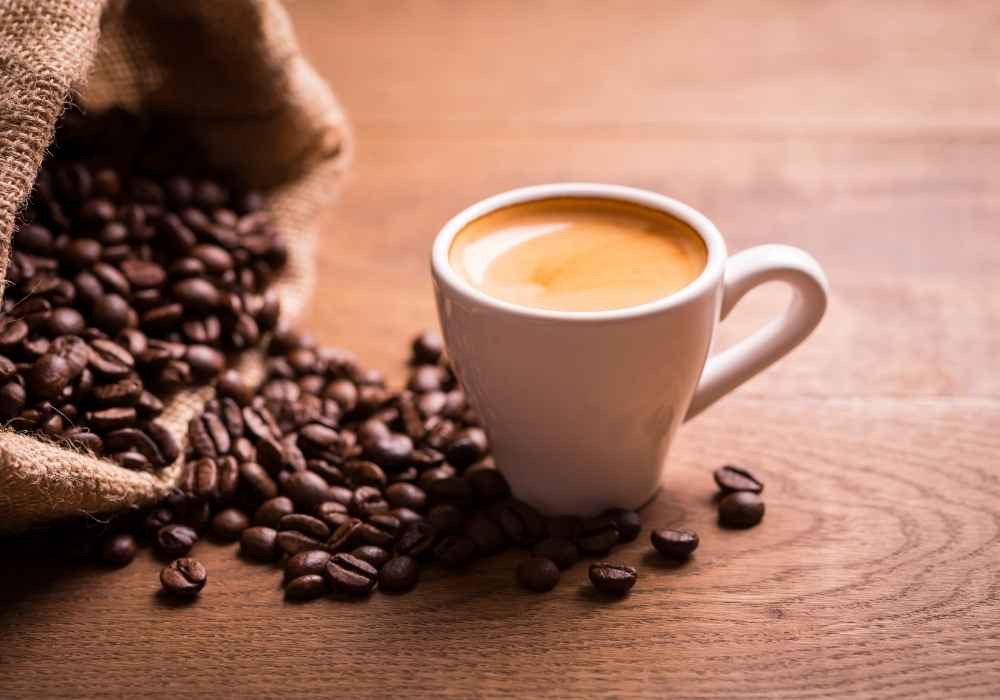 The Espresso Jolt: Unpacking the Caffeine Content – Myths Busted!Read more
 -
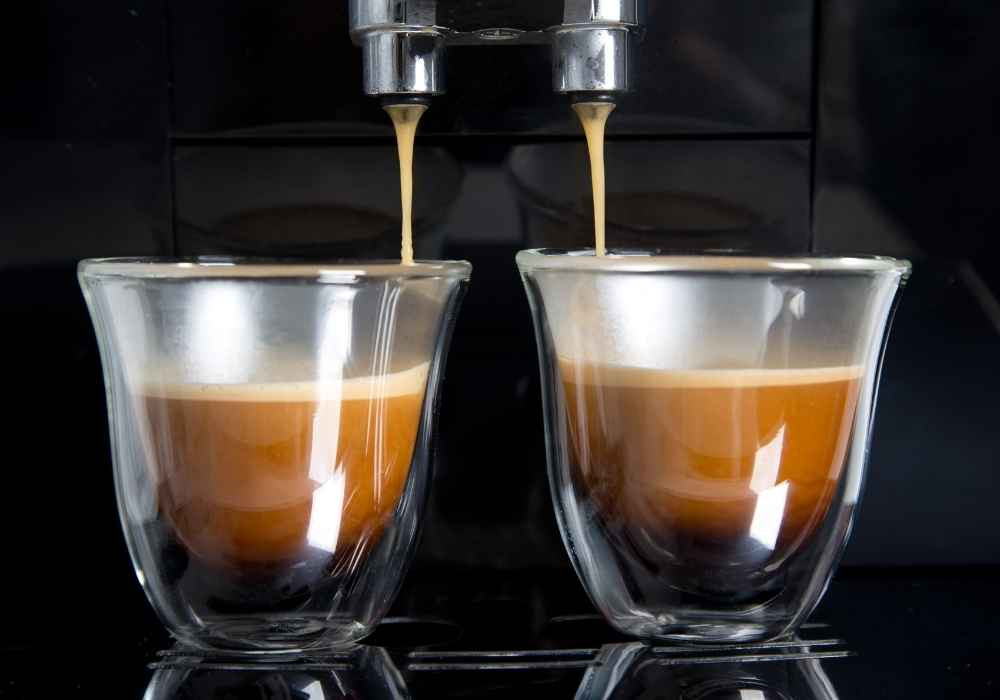 The Heart of the Brew: Understanding Espresso Shot SizesRead more
At its core, an espresso shot is a concentrated coffee beverage, brewed by forcing hot, pressurized water through...
-
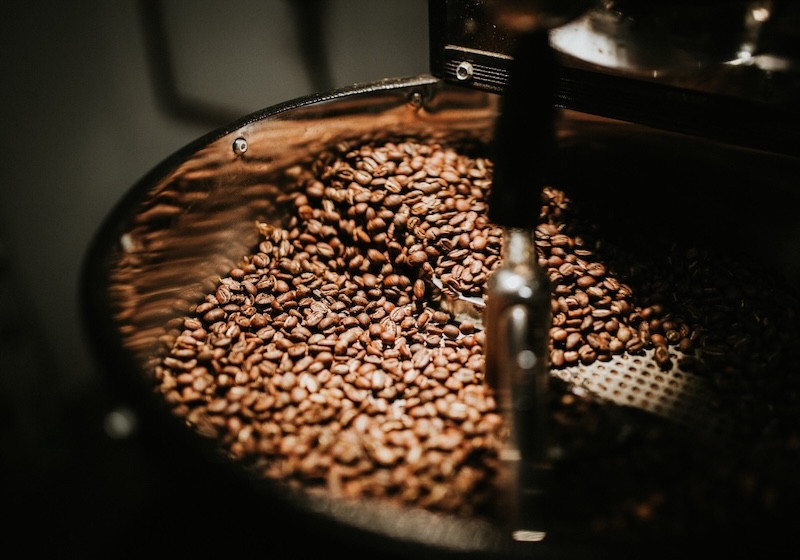 The Roasting Revolution: From Bean to BrewRead more
Imagine a raw, unroasted coffee bean – it’s green, has little scent, and certainly doesn't taste like the coffee you...
-
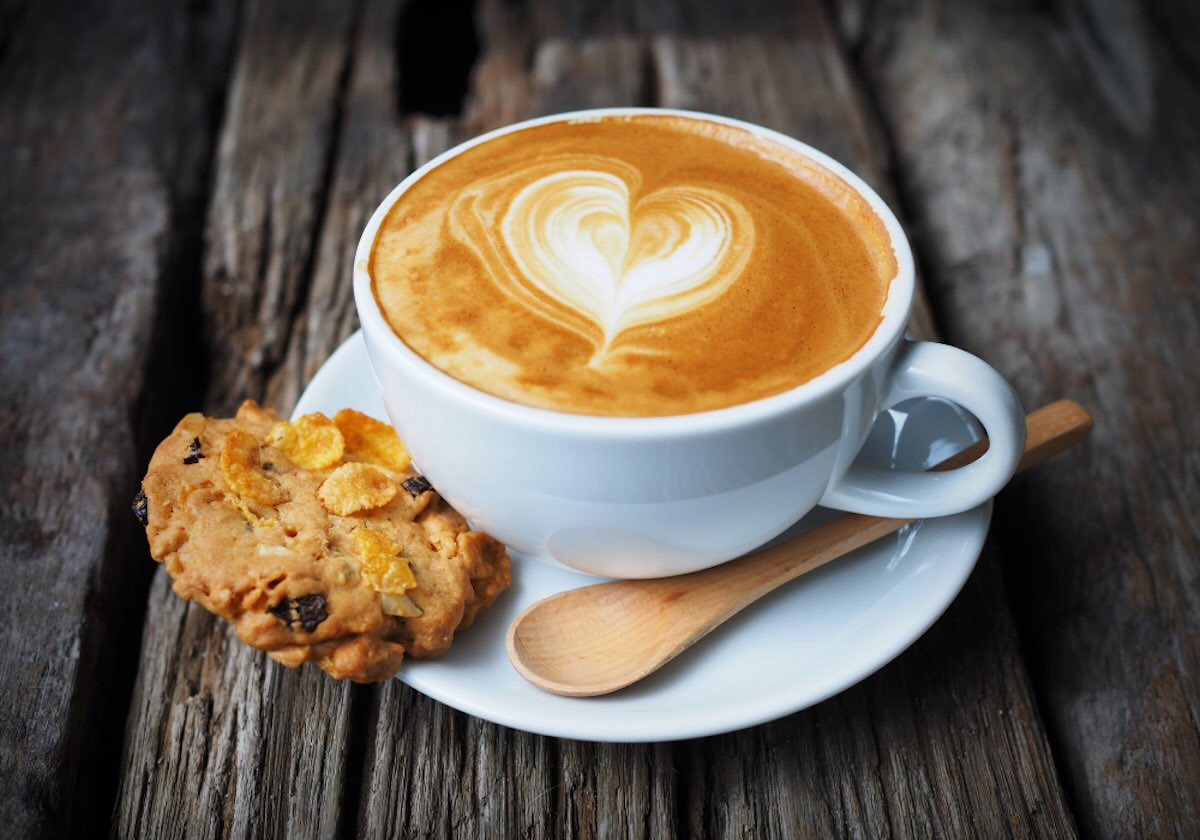 Unleash Your Inner Artist: A Beginner's Guide to Milk Frothing and Latte ArtRead more
Have you ever considered the idea of creating miniature masterpieces on top of your morning coffee? Latte art, the...
Blog categories
Search in blog
Archived posts
The Espresso Jolt: Unpacking the Caffeine Content – Myths Busted!
What Exactly Defines an Espresso "Shot"?
Before we talk numbers, let's clarify what we mean by an "espresso shot." Traditionally, it's a small, potent coffee beverage, roughly 1 ounce (30 milliliters) in volume.
However, in modern coffee culture, particularly in commercial settings, the double-shot basket has become the norm. This means baristas often use 17 to 20 grams of ground coffee to produce a larger 36 to 40-gram (approx. 2-ounce) shot. So, when you order an "espresso," you're likely getting a double!
Beyond the standard, you'll also encounter fascinating variations:
-
Ristretto: A "shorter" shot, typically about half the volume of a standard espresso. It uses the same amount of coffee grounds but less water, resulting in an incredibly concentrated, intensely flavored, often sweeter, and less bitter extraction.
-
Lungo: A "longer" shot, created with more water and an extended extraction time. This yields a larger volume of coffee with a milder taste and, interestingly, a slightly higher total caffeine content due to the longer contact time with water.
(Many HiBREW espresso machines, for instance, come with both single and double-shot baskets, allowing you to explore these nuances at home.)
So, How Much Caffeine in Your Espresso Shot?
Let’s get to the quick facts:
A standard single espresso shot typically delivers around 63 milligrams of caffeine. This number comes from the U.S. Department of Agriculture's FoodData Central and is widely used by nutrition experts and universities. While this is an average, the actual amount can fluctuate, usually falling between 47 and 65 milligrams per shot.
If your espresso is made with a double-shot dosage (which, as we mentioned, is increasingly common), you can effectively double the caffeine content to 126 mg or more.
Why the Fluctuation? The Variables at Play
Not all espresso shots are created equal. Several factors conspire to influence the final caffeine content:
1. Coffee Dose: More Grounds, More Caffeine
It’s simple math: A single shot typically utilizes 7–9 grams of coffee grounds, whereas a double shot employs 14–18 grams. Logically, a higher dose means a proportionally higher caffeine content.
2. Coffee Bean Varieties: Arabica vs. Robusta
The species of coffee bean is perhaps the most significant determinant of caffeine levels:
-
Arabica (Coffea arabica): Dominating about 60% of global coffee production, Arabica beans contain 1.2–1.5% caffeine by weight. This translates to roughly 63–70 mg per single shot. Arabica is prized for its complex, nuanced flavors.
-
Robusta (Coffea canephora): Hardier and more bitter, Robusta beans are caffeine powerhouses, boasting 2.2–2.7% caffeine by weight. A single shot from Robusta can deliver around 140 mg! While often used for cost efficiency and a more robust crema in commercial blends, some specialty blends also incorporate Robusta for its unique characteristics.
Most specialty coffee shops lean heavily on Arabica for its superior taste profile, while many commercial blends might mix in Robusta for that extra punch and a denser crema.
3. Roast Profile: The Surprising Truth
Here's where a common myth gets debunked: lighter roasts actually contain marginally more caffeine than darker roasts.
During the roasting process, coffee beans shed mass due to moisture evaporation and the caramelization of sugars. Caffeine, however, remains remarkably stable even at high roasting temperatures (up to 470°F/243°C). This means that lighter roasts, having lost less mass, retain slightly more caffeine by volume (though the difference by weight is negligible). For example:
-
Light roast (City roast): ~1.3% caffeine by weight
-
Dark roast (French roast): ~1.1% caffeine by weight
This difference is subtle but measurable, amounting to approximately a 15% reduction in caffeine from light to dark roasts when doses are measured by volume.
Espresso vs. Regular Coffee: Who Wins the Caffeine Crown?
This is where the narrative gets interesting. Espresso is much more concentrated – you're getting a lot of caffeine in a very small amount of liquid.
However, when you compare a single espresso shot to a full cup of regular drip coffee, the larger volume of drip coffee typically contains more total caffeine.
So, a 12-ounce latte made with two espresso shots might contain around 126 mg of caffeine, which is often less than a 12-ounce cup of drip coffee (which could have around 144 mg). However, the highly concentrated nature of espresso can lead to a more immediate stimulant effect due to its rapid absorption.
Commercial Variations:
-
Starbucks: A single shot contains about 75 mg, while a double shot has 150 mg.
-
Nespresso Pods: Range from 60 mg (Arabica) to 120 mg (Robusta blends).
Espresso Drinks: Your Caffeine Calculation Made Simple
If you're a fan of lattes, cappuccinos, or Americanos, the caffeine content is straightforward: it's all about how many espresso shots are in your drink.
-
Latte (with 1 shot): About 63 mg caffeine
-
Cappuccino (1 shot): About 63 mg caffeine
-
Americano (1 shot): About 63 mg caffeine
-
Double-shot drinks: Just double the caffeine!
Always check with your barista if you’re unsure how many shots are in your drink.
The "Decaf" Dilemma: Is It Truly Caffeine-Free?
Almost! Decaffeinated espresso still contains a trace amount of caffeine, usually ranging from 0.3 to 7 milligrams per shot. While significantly less than regular espresso, it's a good detail to note if you're highly sensitive to caffeine.
How Much Caffeine is Considered Safe?
Most health authorities, including the U.S. Food and Drug Administration (FDA), advise keeping your daily caffeine intake below 400 milligrams. This limit roughly translates to:
-
6 single espresso shots
-
3 double espresso shots
-
4 cups of standard drip coffee
Exceeding this recommendation can lead to undesirable side effects like insomnia, jitters, anxiety, or an elevated heart rate.
In a Nutshell: The Espresso Caffeine Truth
A typical single shot of espresso provides about 63 milligrams of caffeine—enough to give you a noticeable boost, but not as much as a full cup of coffee. The exact amount can change depending on the coffee beans, roast, and how it’s made. Knowing what’s in your cup helps you enjoy your coffee while keeping your caffeine intake in check.
Espresso Caffeine Myths: BUSTED!
-
"Espresso has more caffeine than coffee": FALSE by total volume, but TRUE by caffeine concentration. A 1-ounce espresso shot has less total caffeine than an 8-ounce coffee but over triple the concentration.
-
"Dark roast is stronger": "Strength" refers to flavor intensity, not caffeine content. Dark roasts taste bolder due to caramelized sugars but contain slightly less caffeine.
-
"Crema contains the most caffeine": Crema is an emulsion of CO₂ and oils; caffeine is evenly distributed throughout the shot.
Posted in:
Default category
Related posts
-
Unleash Your Inner Artist: A Beginner's Guide to Milk Frothing and Latte Art
Have you ever considered the idea of creating miniature masterpieces on top of your morning coffee? Latte art, the...Read more
-
The Roasting Revolution: From Bean to Brew
Imagine a raw, unroasted coffee bean – it’s green, has little scent, and certainly doesn't taste like the coffee you...Read more
-
The Heart of the Brew: Understanding Espresso Shot Sizes
At its core, an espresso shot is a concentrated coffee beverage, brewed by forcing hot, pressurized water through...Read more
Leave a comment